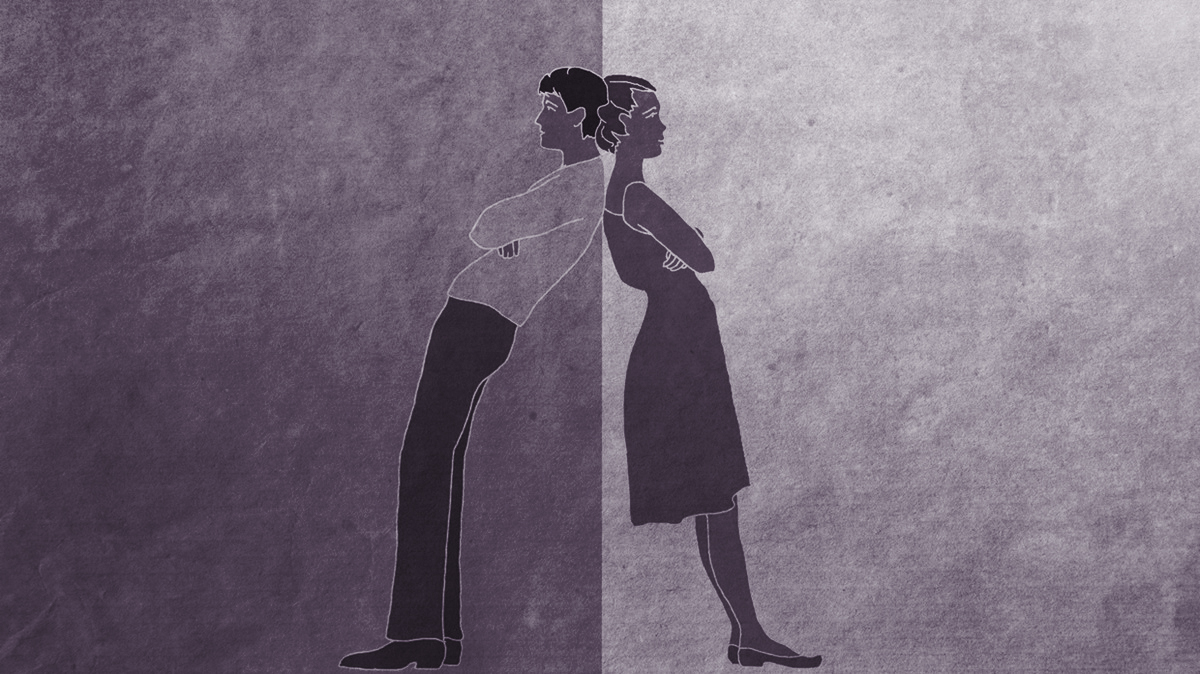
You used to be close. You used to reach for each other. Now you share a bed, a mortgage, a life, but somewhere along the way the physical side just stopped. If this sounds like your relationship, you are far from alone. Research consistently shows that around one in five long-term couples experience extended periods without sexual intimacy.
In my practice I work with couples in exactly this situation. People who love each other but have lost their way physically. What I can tell you, honestly, is that it is almost always fixable. But it starts with understanding how you got here.
It rarely happens overnight. Most couples I see describe a slow fade rather than a sudden stop. Common triggers include:
The longer the gap, the harder it feels to bridge. That is completely normal and it does not mean your relationship is broken.
Most couples I work with have tried to raise the subject at least once. And it went badly. The person who brings it up feels vulnerable and exposed. The person on the receiving end feels criticised and defensive. Within minutes you are having an argument about sex rather than a conversation about connection.
This is one of the reasons therapy can be so useful. I create the conditions for a different kind of conversation, one where both people feel heard rather than accused. I work alongside you as a team, not as someone handing down instructions.
You do not need to wait for therapy to begin. Here are three practical, achievable things you can do this week:
In my practice, I do not apply the same approach to every couple. I start by understanding who you both are, how you think, and how you learn. Some couples respond best to structured, step-by-step exercises. Others need a more creative, experiential approach. I assess this at the very first session and tailor everything that follows.
Understand the cause before chasing the cure. Is this about desire, about pain, about trust, about exhaustion, about something that happened years ago? The answer shapes everything that follows.
Rebuild physical intimacy gradually. In therapy we often use a structured approach called sensate focus, which guides couples through stages of reconnection at a pace that feels manageable for both. I explain exactly why each stage matters, so you are never doing exercises blindly.
Make space for desire to return, not force it. Desire in a long-term relationship is not the lightning bolt it was at the beginning. For many people it is responsive rather than spontaneous, meaning it builds in response to the right conditions rather than appearing out of nowhere. Creating those conditions (time, privacy, relaxation, playfulness) is not unromantic. It is realistic. And it works.
Track your progress. I ask every couple to rate themselves on that 1 to 10 scale throughout our work together. Most couples arrive at about a 2. By session six, they typically report significant, noticeable change.
If you have been trying to talk about it and getting nowhere, or if the gap has been months or years and the thought of restarting feels overwhelming, therapy is not a last resort. It is the most direct route back.
I work with couples at every stage, including those who have not been intimate for years. There is no judgement in my consulting room. I want you to leave every session feeling empowered, calm, and hopeful, with practical tools you can use straight away and a clear understanding of why each step matters.
Getting in touch is easy. Fill in a short form, or just call or email. There's no pressure and everything is completely confidential.
Or email directly: hello@sextherapist.london