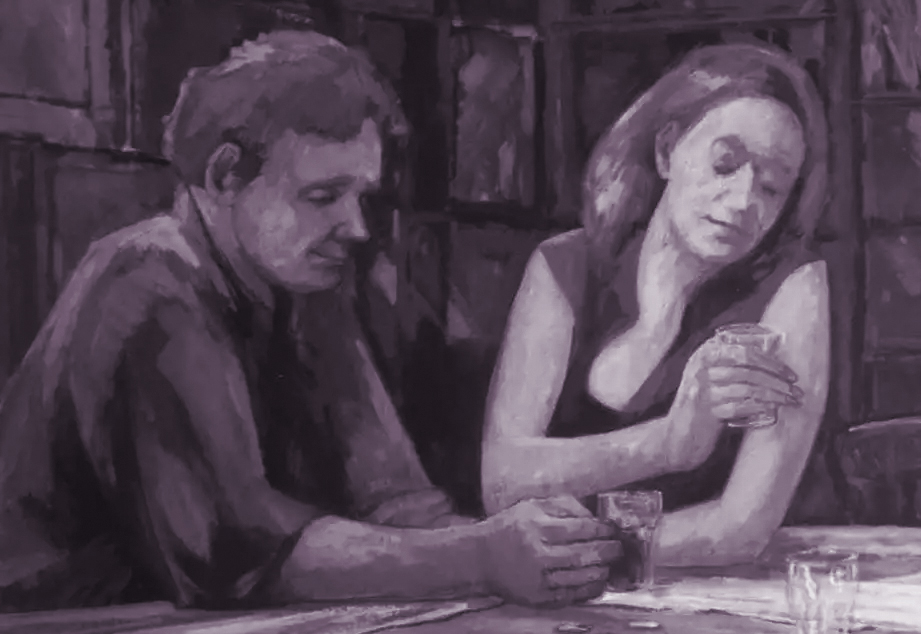
It is one of the great paradoxes of intimate relationships. The person you feel closest to in the world can also be the hardest person to talk to honestly. You can chat easily about what to have for dinner or where to go on holiday. But when it comes to saying "I feel lonely," or "I need more from you," or "something about our sex life is not working for me," the words get stuck.
In my practice I see this pattern constantly. Couples who are articulate, intelligent, successful people in every other part of their lives find themselves completely unable to have a direct conversation with their partner about the things that matter most. This is not a character flaw. It is one of the most common challenges in relationships, and there are real, well-understood reasons why it happens.
Relationship researchers have identified specific communication patterns that predict whether a couple will stay together or drift apart. These four destructive habits are worth knowing about, because recognising them is the first practical step towards changing them:
Most couples I work with can recognise at least two of these in their own relationship within the first session. That recognition is itself a measurable starting point, because once you can name the pattern, you can begin to interrupt it.
Underneath these patterns there is often a deeper dynamic at play. One partner pushes for connection, asking questions, raising issues, wanting to talk things through. The other pulls back, needing space, feeling pressured, shutting down. The more one pursues, the more the other withdraws. The more one withdraws, the more the other pursues. It becomes a cycle that neither person can break alone.
Both people are hurting. The pursuer feels rejected and unheard. The withdrawer feels criticised and overwhelmed. Neither is wrong, but neither can see the situation from the other side without help.
You do not need to wait for therapy to start making changes. These are practical, achievable things you can do right now:
This is something I specialise in, and it is a link many couples do not immediately see. When you cannot talk openly about your emotional needs, talking about your sexual needs becomes almost impossible. Resentment that builds up during the day does not disappear at bedtime. If you feel unheard in the kitchen, you are unlikely to feel safe being vulnerable in the bedroom.
Many of the couples I see for sexual difficulties discover that the real issue is not physical at all. It is that they have lost the ability to communicate openly, and their sexual relationship has suffered as a consequence. Rebuilding communication often rebuilds intimacy naturally.
In my sessions I do not act as a referee deciding who is right and who is wrong. I work alongside you as a team, more like a mentor than an authority figure. My job is to help each person hear what the other is actually trying to say underneath the frustration, the silence, or the defensiveness.
Because everyone communicates differently, I tailor my approach to who you are. Some couples respond well to structured exercises and clear frameworks. Others need a more experiential, creative approach. I assess this at the very first session so that the tools I give you actually fit how you and your partner think and learn.
Every session ends with practical takeaways you can use immediately. Progress is measurable. I ask couples to rate their communication on a scale of 1 to 10 when they arrive, and we track that number together throughout our work. Most couples who commit to the process see significant, noticeable change by session six.
If you recognise any of these patterns in your own relationship and you are ready to change them, I would be glad to talk it through with you.
Getting in touch is easy. Fill in a short form, or just call or email. There's no pressure and everything is completely confidential.
Or email directly: hello@sextherapist.london